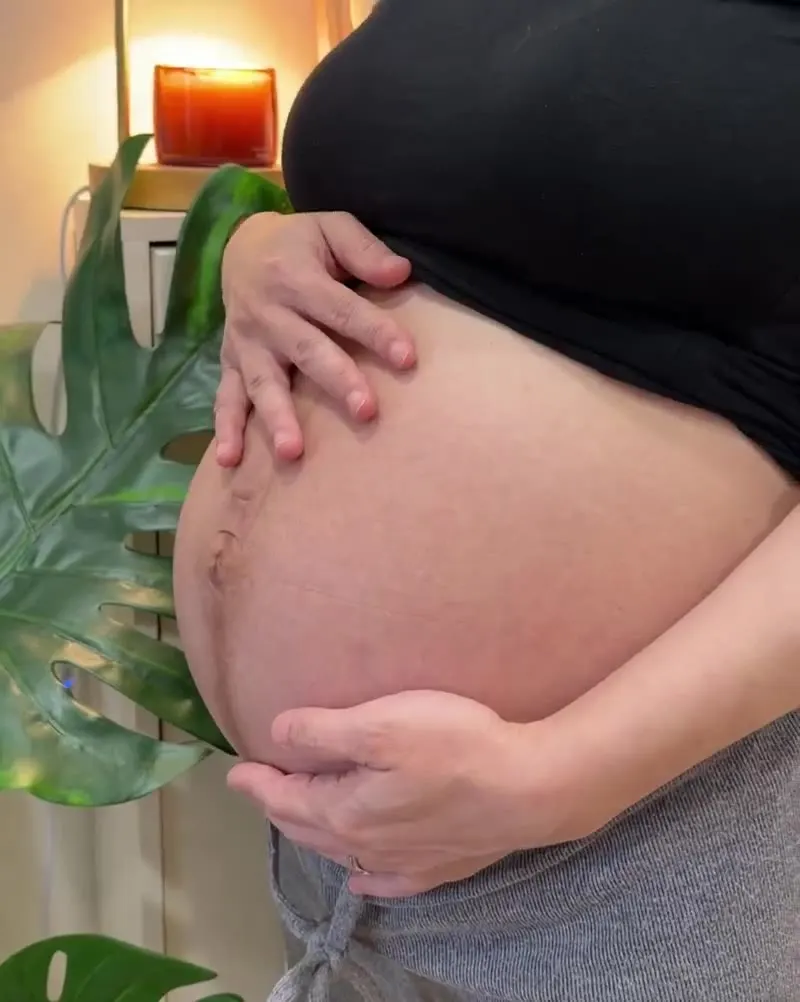
Can waxing be considered during pregnancy?
Pregnancy does not automatically rule out waxing, but suitability depends on the person’s current pregnancy and skin condition. If you have bleeding, regular contractions, prescribed rest or other special instructions, ask your obstetric clinician first.
ACOG lists waxing among options for unwanted hair during pregnancy. This general information does not replace advice about your individual circumstances.
When does Mimi accept pregnancy appointments?
For someone new to waxing, Mimi normally uses 12 completed weeks and a stable pregnancy as its booking principle. Early pregnancy can involve nausea, fatigue and discomfort, so there is no need to rush.
If you already waxed regularly before pregnancy, a visit can be discussed before 12 weeks when your current condition is stable and there are no symptoms or medical instructions to rest. Tell us your week of pregnancy and how you feel so the appointment can be assessed.
Later pregnancy and positioning
Mimi has provided close to 1,000 pregnancy-related service visits, including repeat visits. The service is adjusted to the stage of pregnancy, belly size and how the client feels.
Tell Ivy immediately if lying flat causes breathlessness, dizziness or discomfort. You can change position, pause or rest rather than staying in one position.
Why some clients choose prenatal grooming
As the belly grows, seeing and reaching intimate areas becomes harder. Some clients choose waxing for their usual grooming preference, easier daily cleaning or to avoid the prickly feeling of short shaved hairs.
Prenatal waxing is a personal choice, not a requirement before childbirth.
Planning a final prenatal visit
For a stable pregnancy with a planned vaginal birth, most mums book their final visit around weeks 37–38, roughly two to three weeks before the estimated due date. With a planned caesarean or induction, the final visit is usually 3–7 days before that date. Timing remains individual and is not a medical requirement.
If a caesarean birth is planned, check the hospital’s instructions first and share the date when discussing your appointment.
Comfort during the service
Skin sensitivity can change during pregnancy. Waxing is performed in small sections, with time to pause, rest or adjust position. Tell Ivy if it feels uncomfortable rather than trying to tolerate it silently.
Individual experiences differ. The salon’s published examples include a final prenatal visit at 37 weeks and a first-time pregnancy waxing visit at 38 weeks; they are individual experiences, not promises of the same outcome.
Before you book
- Share your week of pregnancy, previous waxing experience and current condition.
- Keep the hair rather than shaving or trimming it short; growth is commonly assessed after about two to four weeks.
- Check for wounds, redness, sunburn or irritation.
- Disclose active products used on the treatment area.
- Ask your obstetric clinician about bleeding, contractions, prescribed rest or any special pregnancy circumstances.
Appointments are adjusted to how you feel that day. You do not need to feel embarrassed about body changes or ask to rest.
Related: Before and after waxing.
Sources
Still have a question?
Tell Ivy what you are considering and how your skin feels. This is general service and care information; individual medical concerns need appropriate clinical advice.
Enquire on LINEViews on this article: